Your bag is empty
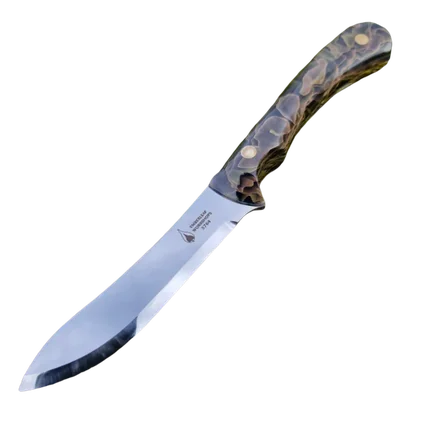
Browse the shopThe 150mm blade, 30mm wide, has a long flat spine — ideal for effective batoning. Comes with a built-in index guard and lanyard tube as standard, for a secure and versatile grip.
Every range needs its heavyweight. The Harrier is ours — the largest knife we make, engineered for sizable quarries and the heavy end of fieldcraft.
The 150mm (6″) blade runs 30mm wide with a long flat spine — geometry that makes it as effective at batoning wood as it is at breaking down large game. This is a knife for boar, for the biggest reds, for the estate work that bends smaller blades: joints that need leverage, cuts that need reach, days that need a tool with reserves.
A built-in index guard and a lanyard tube come as standard, keeping the grip secure when the work is wet and the loads are real. The spine takes a baton without complaint; the belly carries a skinning sweep that belies the knife’s size. It is a large knife that handles like a smaller one — which is the entire trick of designing large knives well.
Hunters taking larger animals, and anyone whose time outdoors regularly asks more of a knife than a slender blade can give. The Harrier is deliberate overkill for small jobs — and exactly right when the job is not small. Many owners run it alongside a Cael or Peryton: the pair covers everything British fieldsport can offer.
No Harrier is pulled from a shelf. At commission you choose the steel — stainless RWL-34, PMC27 or AEB-L, carbon O1, or our in-house stainless Damascus, pattern-welded in Petworth from RWL-34 and PMC27 in patterns from Ladder to Odin’s Eye. Each has its own character; we will talk you through what suits the work you have in mind.
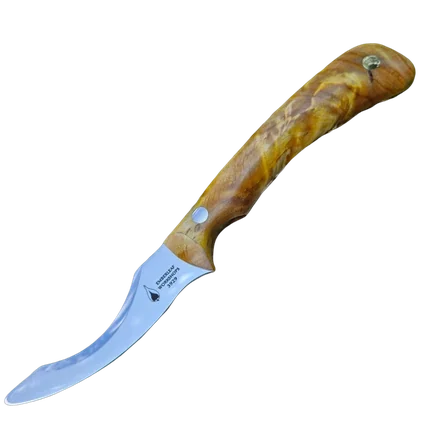
The handle is shaped to the blade from your choice of materials — stabilised woods and burls to fossilised mammoth ivory — and finished with standard or mosaic pins. Engraving is done in-house: initials, crests, and species studies fine enough to count the hairs.
We make every sheath here, moulded precisely to the individual knife. Most Harriers go out in leather — black, brown, or a colour of your choosing, with hand-tooling and engraved silver panels available for presentation pieces — though Kydex on our hybrid leather system is the right answer for hard, wet use.
No two Harriers leave the workshop quite alike, and each one is treated accordingly: numbered, recorded in the ledger, warranted for life against manufacturing defects, and dispatched sharpened, papered and insured. It is the sort of record-keeping that matters on the day a knife becomes an inheritance.
When you are ready, design yours in the design tool or simply start the conversation — the finished piece always comes out of one.
Recent pieces, all sold. The next is made to order.
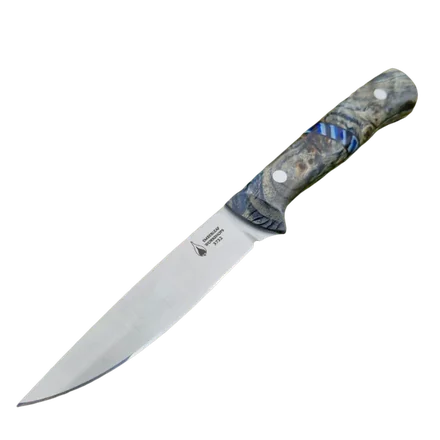
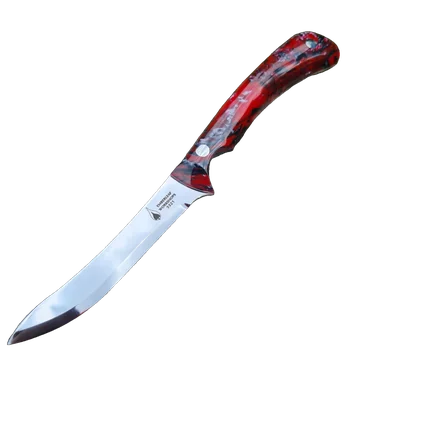
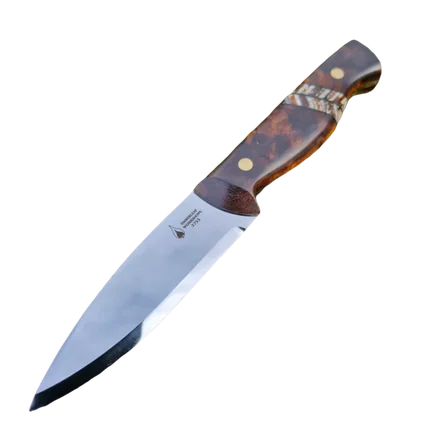
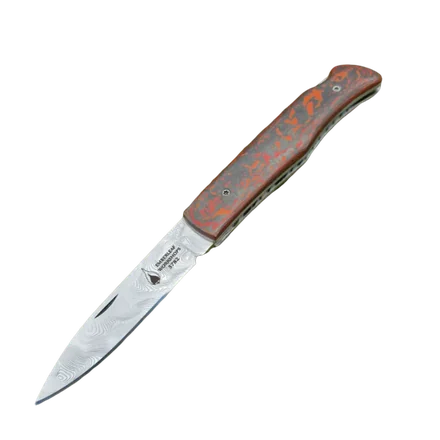
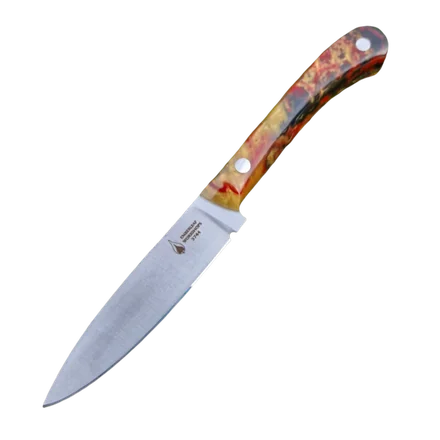
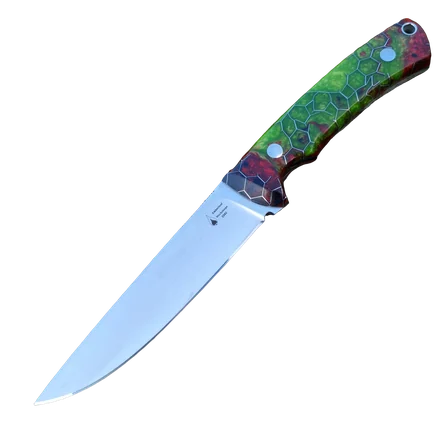
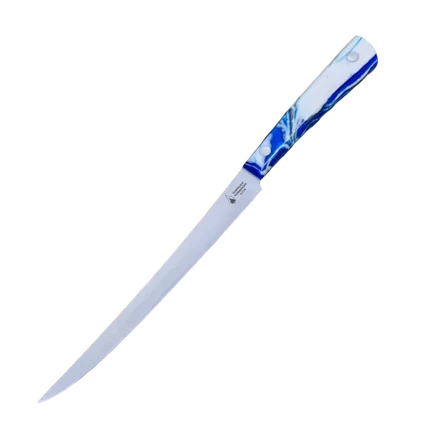
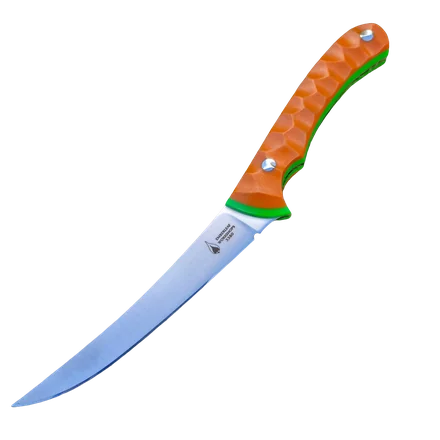
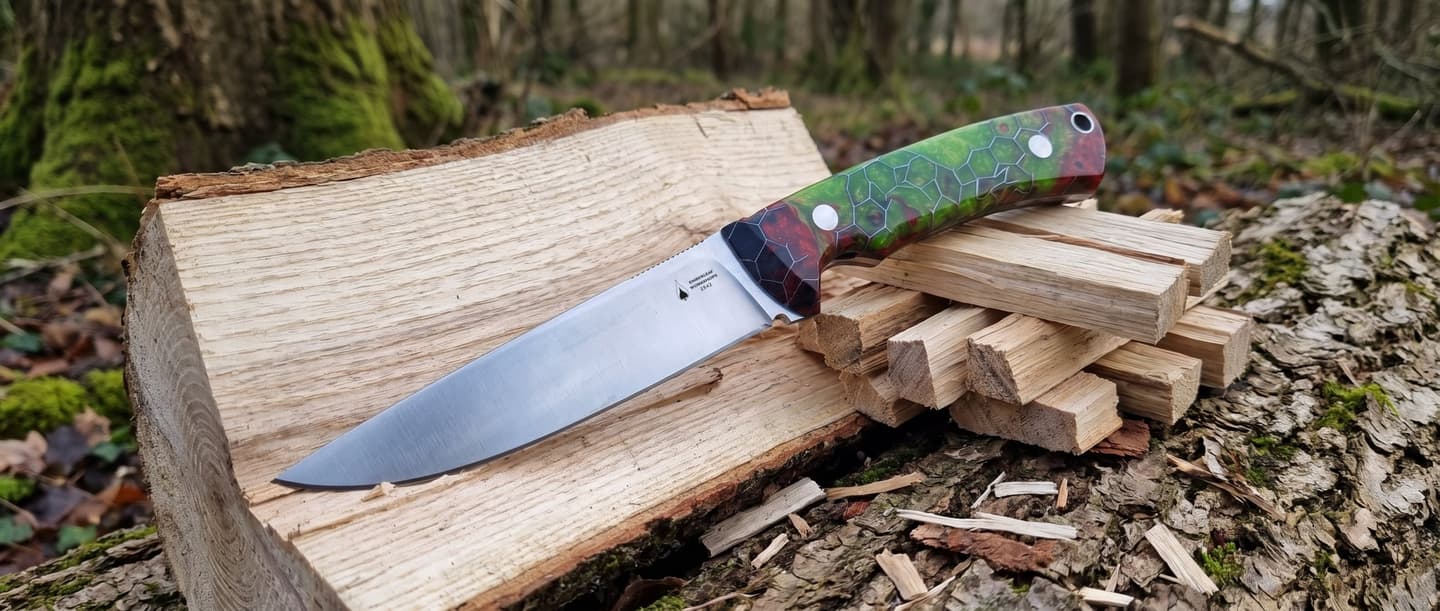
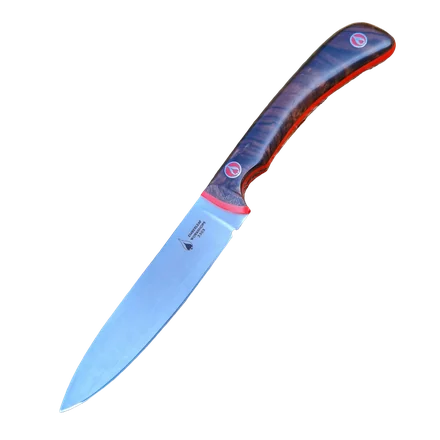
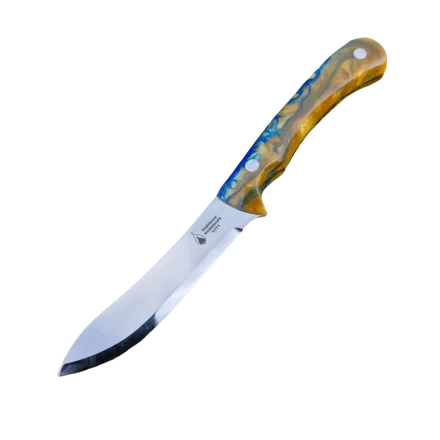
Earlier Harriers, numbered and recorded. Each has its own page in the archive.
Every commission starts from the Harrier blueprint. Set the steel, handle material, engraving and sheath in the design tool, and we’ll come back with a quote.
Eight stations, by hand, in the Petworth workshop. How a knife is made