Lock backs & slip joints
There are many folding-knife mechanisms — here we focus on the two we manufacture at Emberleaf, and how their locking differs in use, safety and law.
The two types
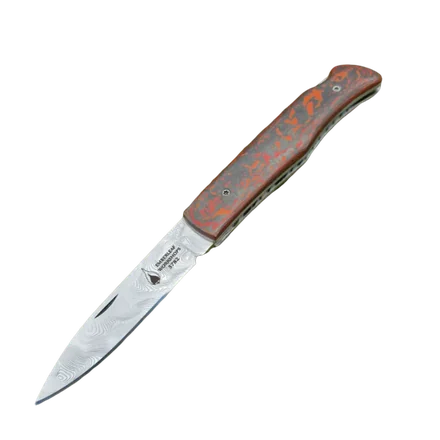
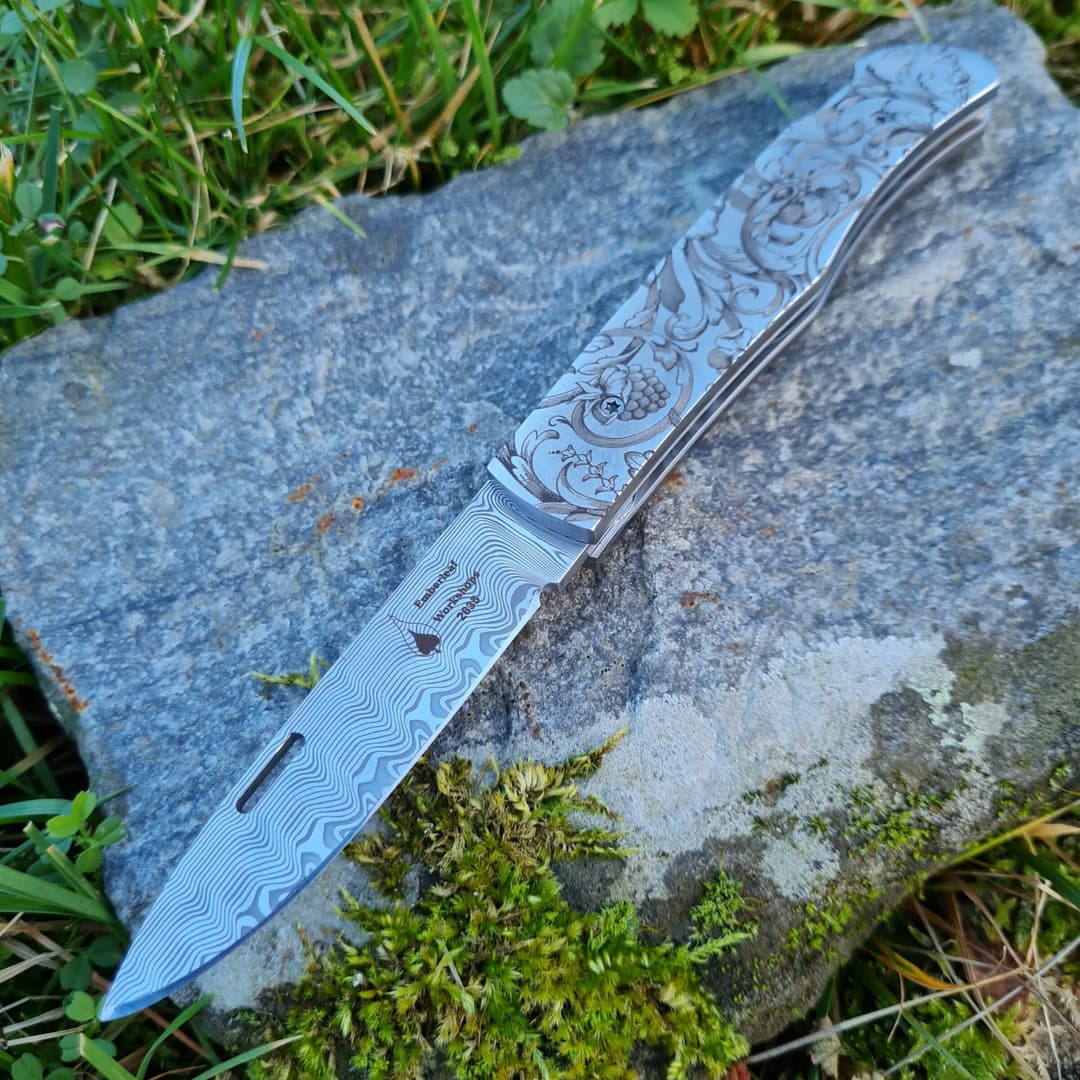
Lockback knives and slip joint knives are distinct in their locking mechanisms and design, each catering to specific needs and preferences, although there are many types of folding knife mechanisms here we will focus on the ones we manufacture here at Emberleaf.
Lockback Knives
The defining feature of lockback knives is their locking mechanism located on the spine of the handle. When the blade is open, a notch on the spine engages with a spring-loaded latch in the handle, securely locking the blade in place.
Slip Joint Knives
In contrast, slip joint knives lack a dedicated locking mechanism. Instead, they rely on tension and pressure created by a back spring. When force is applied to close the blade, the spring flexes, allowing the blade to fold.
Flexibility and Safety
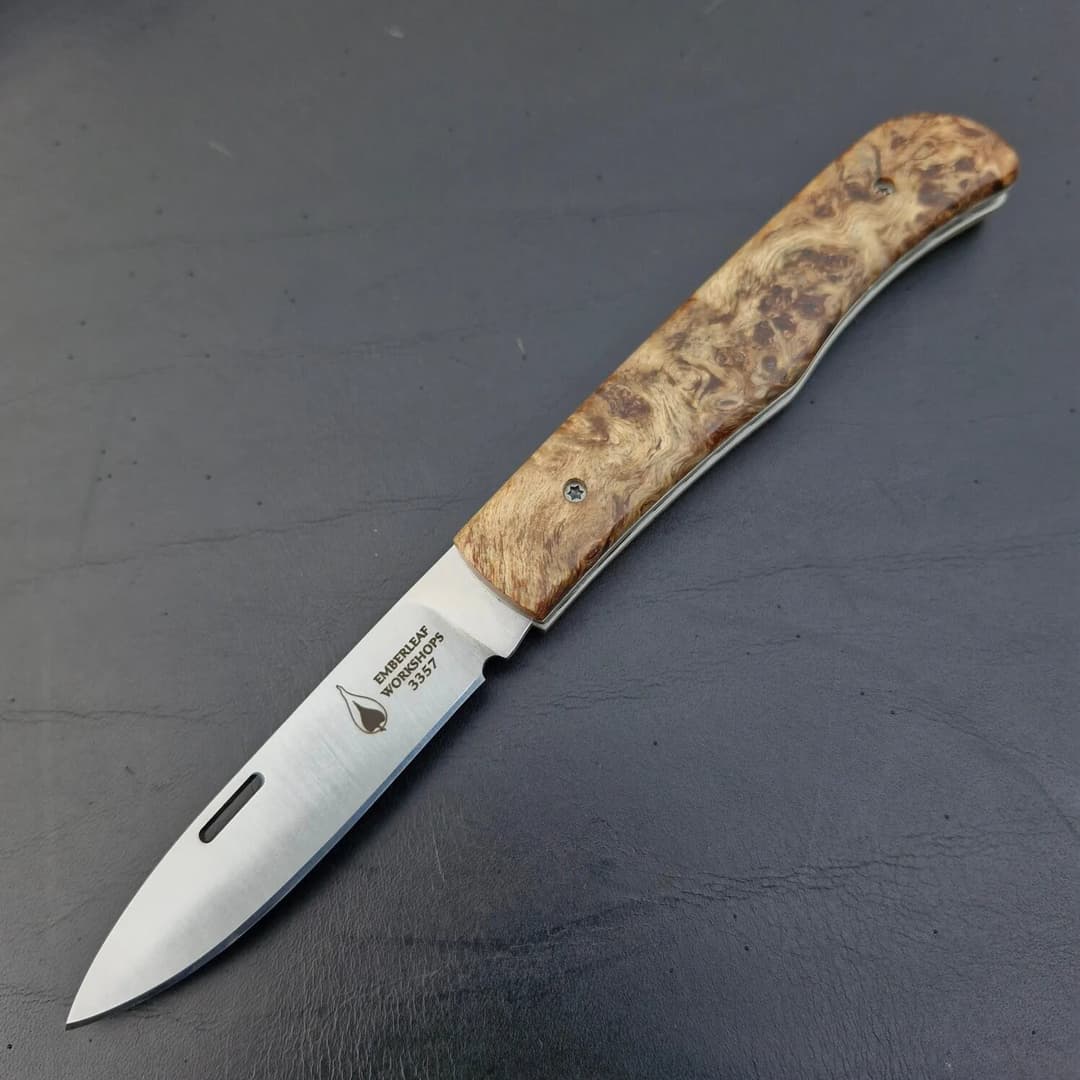
- Lockback Knives: The locking mechanism in lockback knives provides stability and security during use, making them suitable for more demanding tasks. Once the blade is open and locked, it stays in place until intentionally released.
- Slip Joint Knives: Slip joint knives are designed to fold under pressure, enhancing safety. Historically, they often required two hands to open and close, promoting cautious handling and reducing the risk of accidental closures. However, modern slip joints may incorporate one-handed opening features.
Legality and Carry Restrictions
- Lockback Knives: The legal status of lockback knives can vary by region, and some areas may have restrictions on carrying knives with locking mechanisms, however in the UK they carry the same legal status as fixed blade knife.
- Slip Joint Knives: Slip joint knives are often considered non-threatening and are more widely accepted in terms of legal carry. Their lack of a locking mechanism makes them compliant with various knife laws. The Aquila slip joint model which has sub 3 inch blade is UK legal carry whereas the locking version is not.
Maintenance
- Lockback Knives: Lockback knives may have more intricate mechanisms that require occasional maintenance to ensure proper function. Regular checks and lubrication are recommended.
- Slip Joint Knives: Simpler in design, slip joint knives typically require less maintenance. Cleaning and occasional lubrication are usually sufficient to keep them in good working condition.
In summary
The choice between lockback and slip joint knives depends on your specific needs, preferences, and the legal considerations of your region. Lockback knives offer stability and security for demanding tasks, while slip joint knives are versatile, practical, and often more legally compliant for everyday carry.