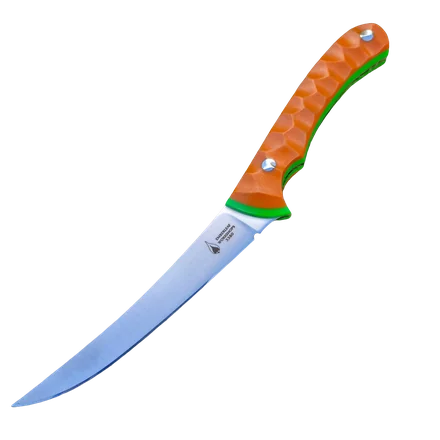
The English blade
Knifemaking in England is one of the oldest regulated crafts in the country. This is the tradition we work in — and where a Petworth workshop founded in 2012 sits inside it.
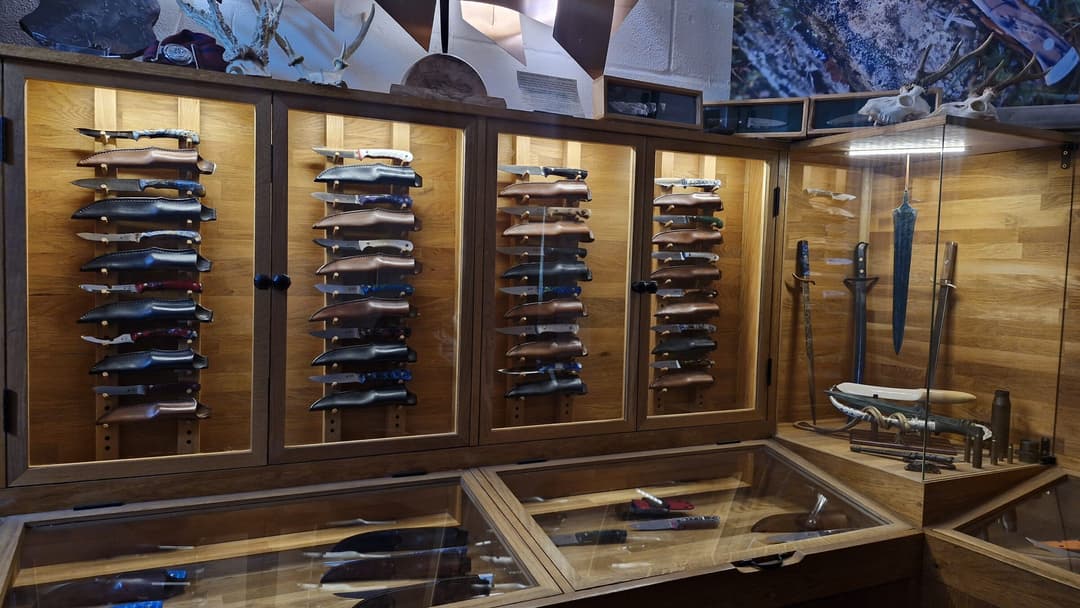
A regulated craft since 1624
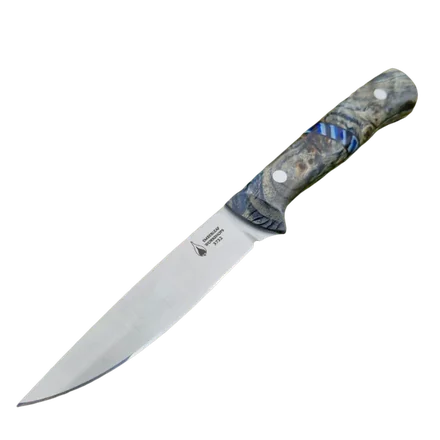
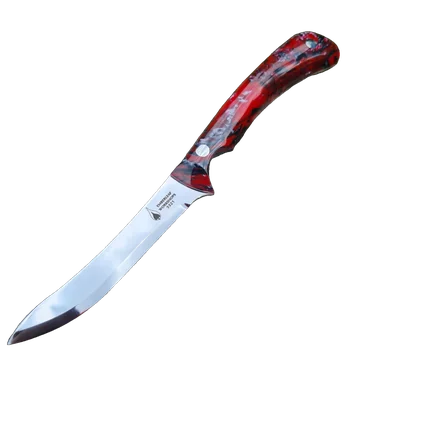
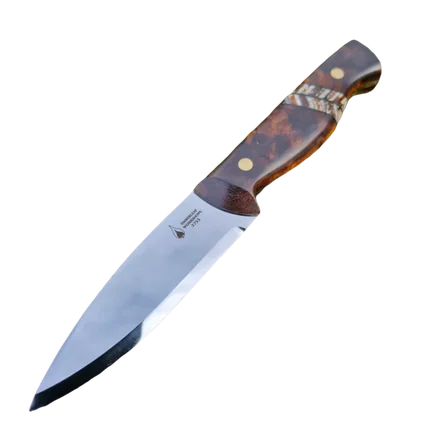
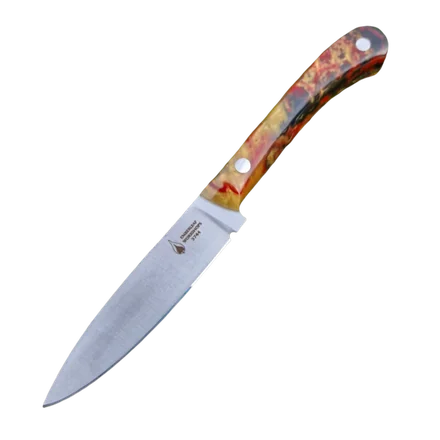
The Company of Cutlers in Hallamshire was established by Act of Parliament in 1624, with authority over every maker of “knives, blades, scissers, sheeres, sickles” within Sheffield and six miles around. Its searchers could walk into any workshop, inspect the work, and check that a blade carried a true maker’s mark and an edge of steel. Four hundred years later, a maker’s mark on English steel still means the same thing: someone put their name on it, and answers for it. Every Emberleaf blade carries ours, alongside its own project number.
Sheffield, steel and the little mesters
Around 1740, Benjamin Huntsman’s crucible process gave Sheffield steel of a consistency nobody else could match; within a century the region was producing most of Britain’s steel, and in 1913 Harry Brearley discovered stainless steel there. The trade itself was carried by the “little mesters” — independent craftsmen, each master of one stage: forging, grinding, finishing. That division of hands survives in our workshop as eight stations under one roof — grinding in its own dust-sealed room, heat treatment never outsourced, sheaths stitched at their own bench.
Pattern-welded steel — the older damascus
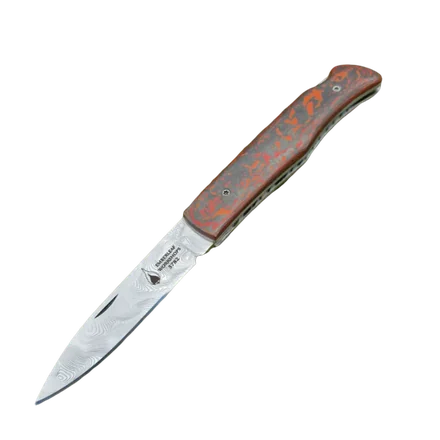
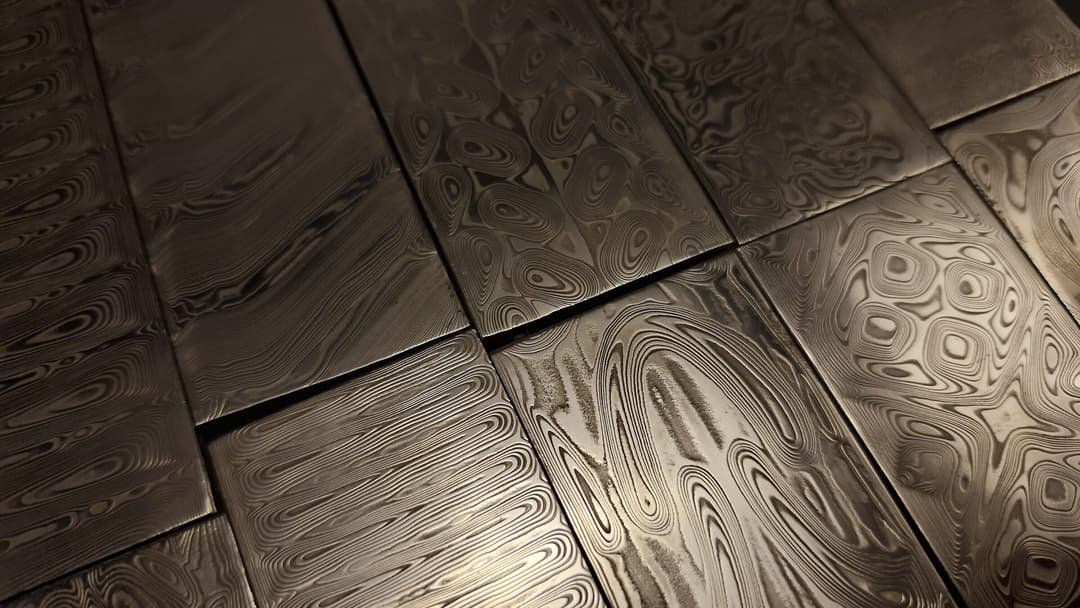
The blade buried with an Anglo-Saxon king at Sutton Hoo in the early seventh century was pattern-welded: rods of iron and steel forge-welded, twisted and ground so the structure of the blade becomes its decoration. The technique faded with the medieval period and was brought back to the craft in 1973, when the American smith Bill Moran showed his “modern damascus” blades at the Knifemakers’ Guild show and gave away the method to anyone who asked. The damascus billets etched on our benches today are that same craft, thirteen centuries on.
The ledger habit of the London gun trade
The houses our blades sit beside — Rigby, Purdey, Holland & Holland — keep serial-number books and dimension ledgers reaching back to the eighteenth and nineteenth centuries, and will still trace a gun’s record from its number today. It is the quietest form of confidence a maker can show: every piece known, forever. We keep the same habit. Every Emberleaf is numbered on the blade and logged in the workshop ledger — more than five thousand projects since 2012.
The bushcraft line
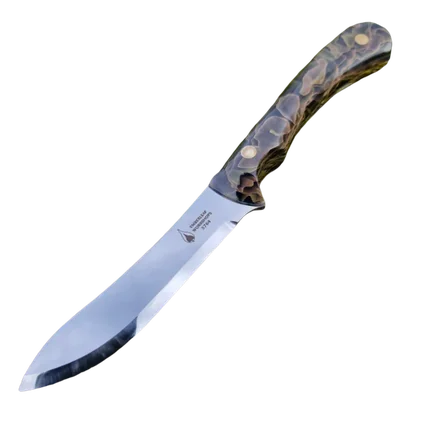
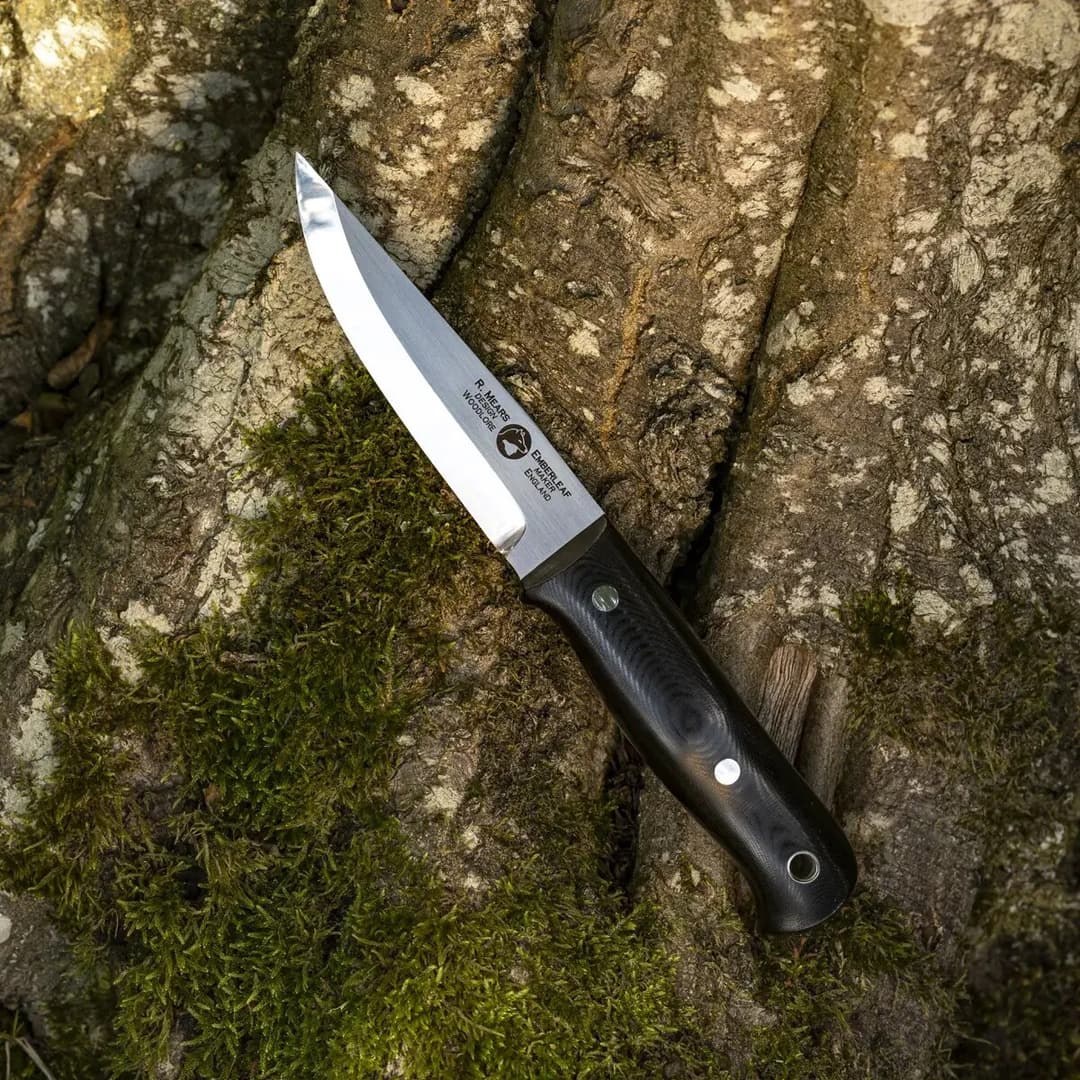
The modern British bushcraft knife descends from the Nordic working knife — the flat Scandinavian bevel of the Finnish puukko — refined into its definitive English form when Ray Mears designed the Woodlore knife with the Cumbrian maker Alan Wood in the early 1990s. That lineage passed through Stephen Wade Cox until his death in 2016, and then to this workshop: the Ray Mears Bushcraft Knife and Woodlore Pro are hand-made here in Petworth, chosen by Woodlore for the same reasons the Cutlers’ searchers looked for in 1624 — the quality of the work.
The military thread
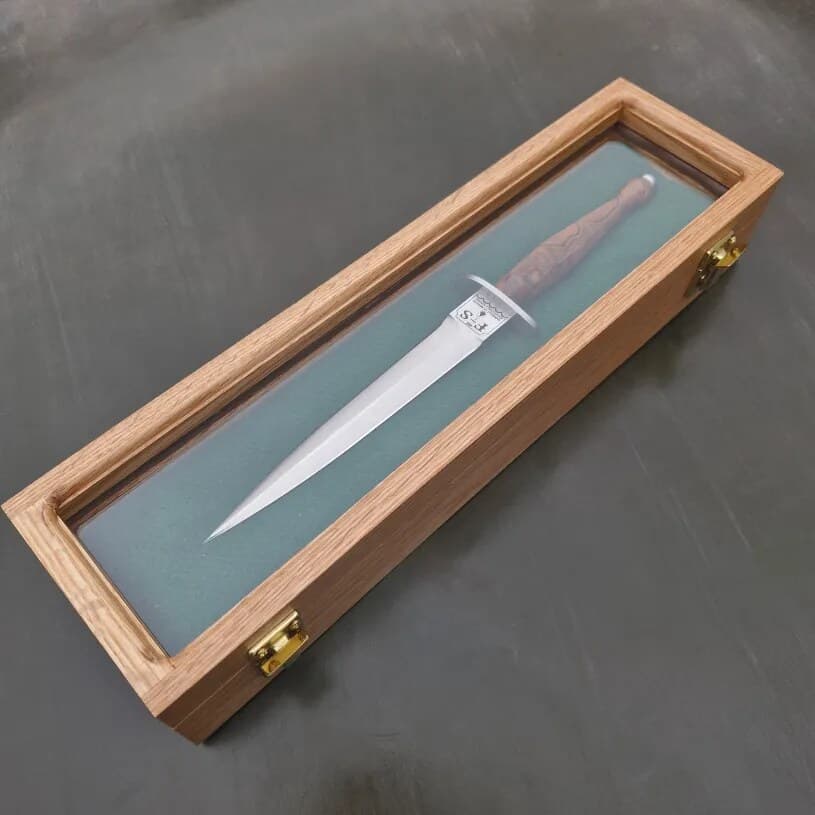
British blademaking has always run close to soldiering — Wilkinson Sword’s Fairbairn-Sykes fighting knife, designed in 1940 and issued from 1941, remains the emblem of the Commandos. Emberleaf’s founders came to the bench from the Royal Engineers, and the workshop has built its own limited editions in that pattern. The discipline is the point: measured, repeatable, checked — then checked again.
Where we sit
Emberleaf was founded in 2012 in Petworth, West Sussex — outside Sheffield’s six-mile compass, inside its tradition. Marked blades, numbered projects, one workshop responsible for every stage from bar steel to stitched sheath. The full story is here; the knives are the argument.